Facebook Groups are Rocket Fuel for Discipleship

Facebook Groups can fuel your church’s discipleship. This article covers how to set yours up, spark engagement, and avoid the easy mistakes that kill momentum for your church's group.
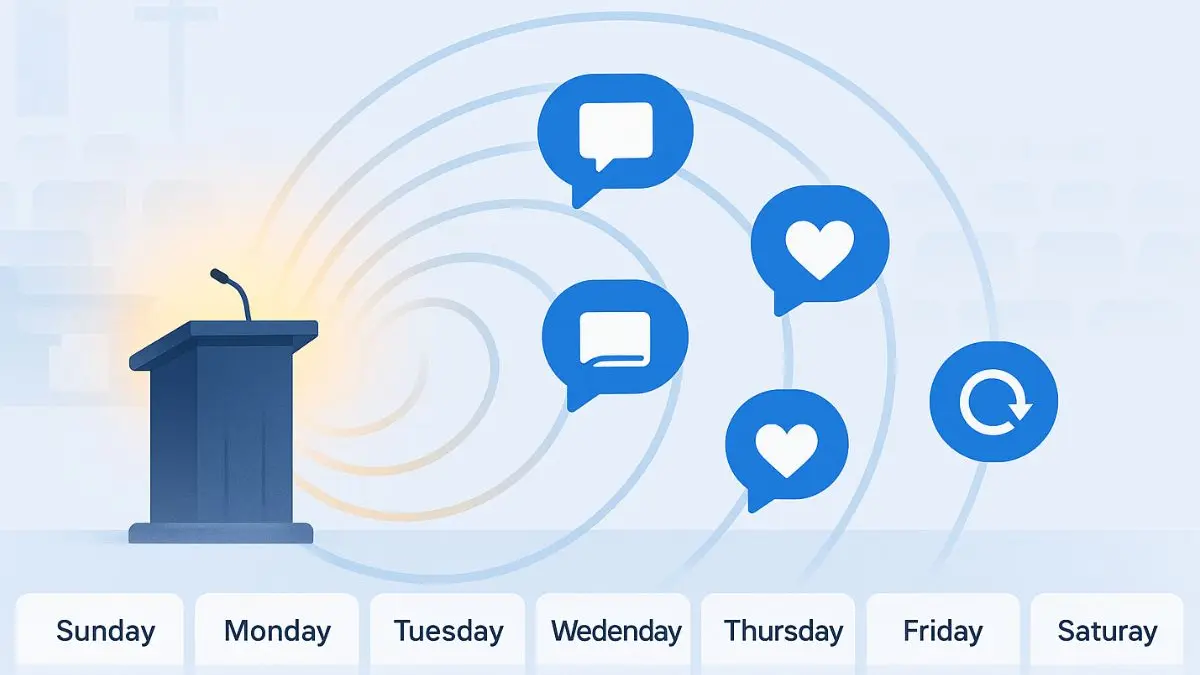
Your church Facebook group has incredible potential… but right now it’s a bulletin board no one checks.
With a little intention, it can turn Sunday’s sermon into a week-long conversation people actually want to join. Prayer requests, Bible study, and community can be a direct result.
How to Structure a Facebook Group for Church Discipleship
1. Set a Clear Purpose
State in the description that the group is for discipleship, prayer, encouragement, and discussion of biblical truth.
Example: “This group is a safe space for our church family to grow in Christ, encourage one another, and live out the Great Commission together.”
2. Assign Moderators
Have a few trusted leaders to keep the group active, answer questions, and engage with members.
3. Plan a Posting Schedule
Plan a weekly or monthly posting schedule. Consistency is key.
4. Encourage Interaction
Encourage members to join the group and include questions like: “What stands out to you?” or “How will you apply this this week?” in posts to encourage interaction. Tag members occasionally to invite engagement.
Pros of Using Facebook Groups for Discipleship
Facebook Groups can be a valuable tool for church discipleship if used strategically. Here are several ways they can help:
Community & Connection Outside of Sunday Service
Discipleship isn’t limited to the church building. A Facebook Group allows members to stay connected throughout the week, building relationships that deepen spiritual growth.
Example Post Ideas for Discipleship:
Check-In and Encouragement: People can share prayer requests, testimonies, or even struggles in a safe environment.
Bonus: People who can’t attend in person (due to health, travel, or distance) can still stay engaged in discipleship through online discussions and content.
Bible Study & Discussion
You can create posts around Scripture, sermon applications, or devotional questions. Members can comment, share insights, and learn from each other, similar to a small group but accessible anytime.
Example Post Ideas for Discipleship:
Scripture and Reflection: “Read Philippians 4:6-7. What’s one thing you’re feeling anxious about this week? How can we pray for you?”
Accountability & Encouragement
Groups provide a space for check-ins (“How is your Bible reading plan going?”), encouragement and accountability partners. This helps encourage spiritual discipline outside of structured gatherings.
Example Post Ideas for Discipleship:
Bible Reading Challenge: “This week, we’re reading through the Gospel of John together. Who’s in? Comment below and share what you learn each day.”
On-Demand Discipleship Content
You can upload videos, livestreams, or links to sermons and resources for people who want to go deeper. Guides and learning units in Facebook Groups allow churches to organize discipleship materials for easy access.
Example Post Ideas for Discipleship:
Sermon Application: “Yesterday, we talked about forgiveness. What’s one step you can take this week to show grace to someone?”
Video/Devotional: Share a short 2–3 min video from a pastor or leader with a takeaway question: “Here’s a quick word on trusting God when life feels uncertain. How does this speak to your situation?”
Prayer Requests
Members can share needs and pray for each other in real time, strengthening the sense of community and mutual care, key aspects of discipleship.
Example Post Ideas for Discipleship:
Prayer Chain: “Drop your prayer requests below. Let’s commit to praying for at least one other person’s request.”
Familiar Platform
Chances are, your people are already scrolling Facebook, so joining in is a no-brainer—no extra apps or confusing logins needed!
Avoid these Common Pitfalls
Even with the best intentions, Facebook Groups can lose focus or become unhelpful for discipleship if you’re not careful. Here are some things to avoid:
- Letting the Group Become Inactive: Inconsistent posting makes members disengage. Stick to a weekly rhythm.
- Turning It Into an Announcement Board Only: People will tune out if it’s just church updates. Keep the focus on discipleship and interaction.
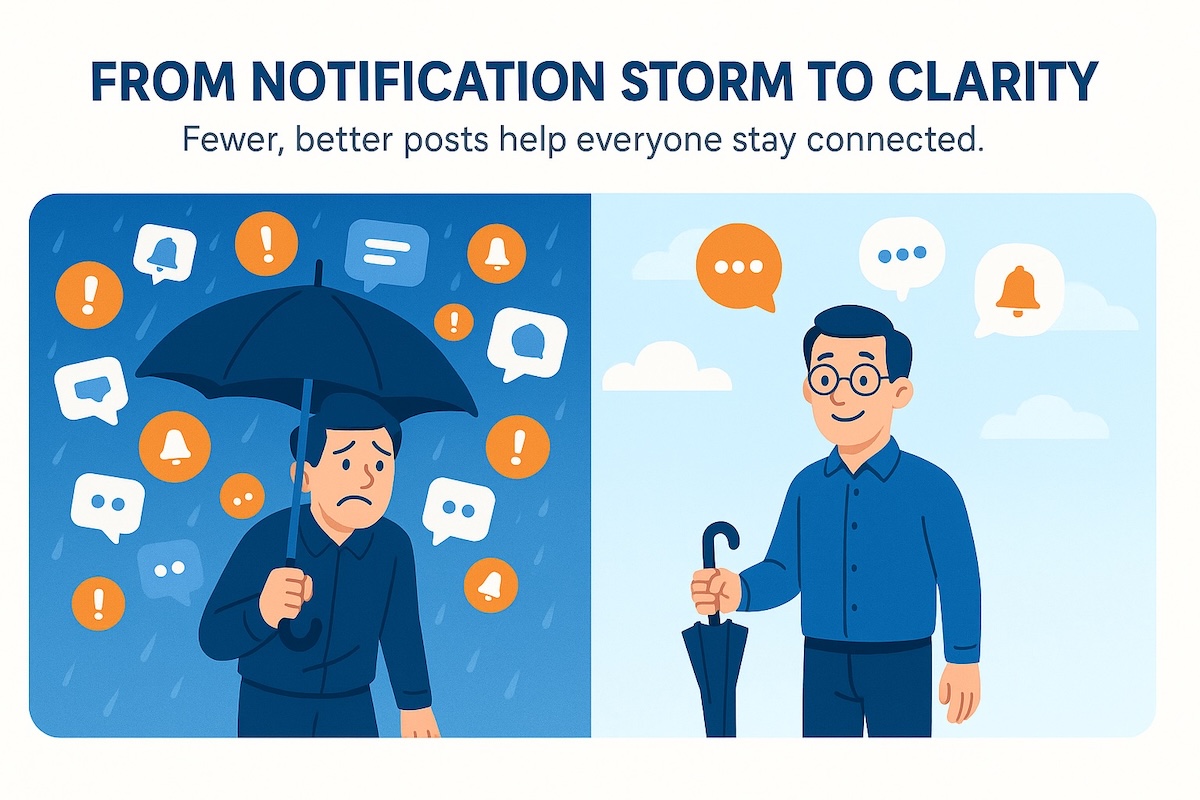
- Overloading with Too Much Content: Posting multiple times a day can overwhelm members. Quality and consistency matter more than quantity.
- Ignoring Comments and Questions: If leaders don’t respond, members won’t either. Always acknowledge engagement.
My Experience With Church Facebook Groups
My church has used Facebook Groups for years now.
It’s become a place where we can share life updates, encourage one another, and lift each other up when needs arise.
Our pastor and leaders also frequently use this as a space to share encouraging Scripture or testimonies throughout the week.
Another benefit has been sharing updates from the missionaries we support. We often post photos, testimonies of what God is doing, and ways we can support their work. It helps the whole church feel involved in what God is doing beyond our local community.
And what made this so easy to start? Almost everyone in our church was already on Facebook. All it took was creating the group and sending a quick invite to join, and just like that, we had a space for discipleship to take place all week long.
Maximizing Your Facebook Group’s Impact for Discipleship
Will your Facebook Group be another forgotten page or a thriving community of disciples?
With a good structure, consistent and engaging posts, your Facebook group can be rocket fuel for discipleship.
Make the choice to lead your group with purpose, and watch how God uses it to multiply discipleship beyond what you imagined.
Church Facebook Groups FAQs
Here are some frequently asked questions about Facebook groups for churches...
Why use Facebook instead of another platform?
The biggest reason is accessibility. Most people are already on Facebook, so there’s no need to ask them to download a new app or learn something unfamiliar. It’s free, simple, and widely used.
Should the group be public or private?
Private is best for discipleship. A private group creates a safe and secure space where members feel comfortable sharing prayer requests and personal updates without worry.
How often should I post?
Consistency matters more than frequency. A simple rhythm of three to five posts per week keeps people engaged without overwhelming them.
What if people stop engaging?
Start by tagging members in posts, asking open-ended questions, and sharing personal stories. Engagement grows when leaders lead by example and show genuine interest in the conversation.
Is a Facebook Group a replacement for small groups?
No. It’s a supplement. Facebook Groups keep discipleship going between in-person meetings, making them a great way to stay connected throughout the week.
Can I use it for announcements, too?
Yes, but don’t let that become the main focus. Keep your group centered on spiritual growth and community rather than just event updates.