The Truth About Open Source Church Management Software (ChMS)

For every software program out there, there is a good chance that there is an open-source option available. And that includes church management software! You may be asking yourself...
As a church leader who's trying to be a good steward of your church funds, open-source software can be very appealing. Especially because it's free!
I have a lot of love for open-source software and recommend it to churches all the time that are cost-conscious. But there are some things you need to know before you consider it. I'll cover everything you need to know about open source CMS for churches, and whether or not it's right for your ministry.
Open source comes in two flavors...
1. On Premise
This type allows you to get started fairly quickly by using the hardware already in your computer. As long as your computer's processor can handle the application, you can start coding and creating a church management software pretty quickly.
Pros: The technology costs are low since you might already have what you need to get started. And because you already have the hardware, you can get started with this very quickly. If your ministry is small and seasonal, this may suit your needs.
Cons: With this type you can only access the software from one computer, there is no cloud, and you must always make backups of your data to ensure you don't lose everything. Also, this method is not ideal for churches that want to have multiple people using the application.
2. Self-Hosted
With self-hosted, you have your own "cloud". You download the software application and install it on your own server. This server can be a physical server you own or rent.
Pros: Having a dedicated server means you have a more powerful machine handling that application, allowing you to build a more complex program. This means you can truly make the program do everything your church needs it to do.
Cons: Buying additional hardware makes this option less "free" than it's initially advertised to be. Plus, servers can malfunction or crash and consume a great deal of energy.
Let's talk more about self-hosted
There are 2 things you need to operate your own self-hosted open source software:
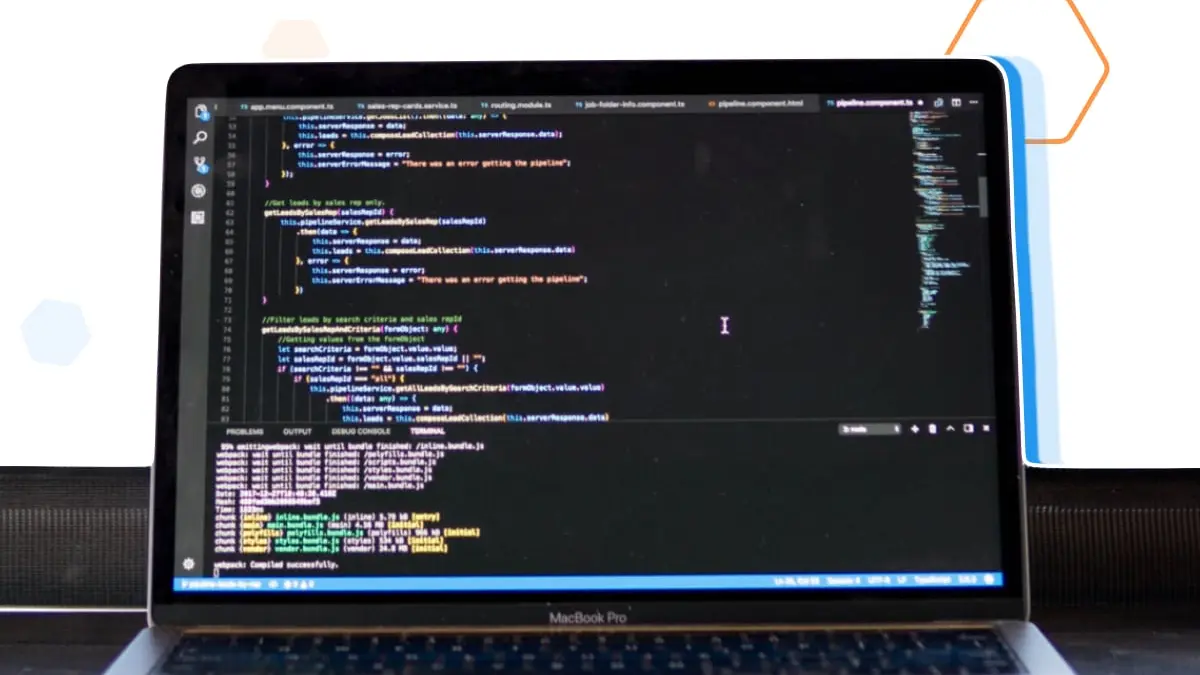
1. A programmer who knows what they're doing
This person needs to actually know the ins and outs of working with a database and provisioning servers to run the software. They also have to be willing to commit the time needed in order to support the application.
2. A server
This server can either be your own physical server or one you rent off-site. Off-site is the better option if your church doesn't have its own server since they are expensive to buy outright.
Some Final Questions
Even if you have the right people and resources, it doesn't mean your church could benefit from an open-source ChMS. It all comes back to time and money.
- How much time is it going to take for your people to learn this software without having a solid customer support team and documentation to help them?
- How much time is it going to take for your programmer to implement the software and manage/support it?
- How much is it going to cost you to host it on a server?
But I thought ChurchTrac loves open source software?
We do! Between the cost of hosting your own software program and the man-hours it takes to keep it running, churches usually end up spending more time and money trying to go open source as opposed to using a ChMS like ChurchTrac. Server hosting alone will cost you a minimum of $7 a month or more. That's more than what ChurchTrac starts at monthly!
The reason ChurchTrac is the most affordable church CMS platform is that we want to be a blessing to churches...not a burden. To continue those blessings, we have already made a list of our favorite open-source programs to help your ministry thrive without having to drop the big bucks. We've loved using them in our church and we think you will too!